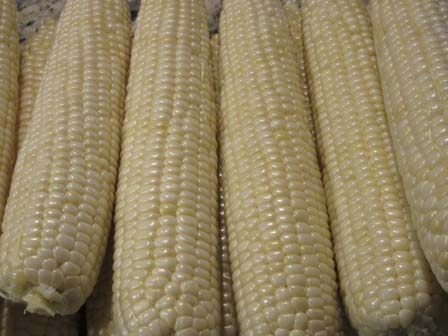

When I first decided to grow corn, I did not have high hopes. I figured I would get some green stalks, but never expected to get ears that were the best I ever had. The first variety I tried was Silver Queen, because I liked white corn. The ears were very large and plump. I planted about four 12 foot rows and got 60 really good ears. They were like eating a steak. That was how my corn journey began.
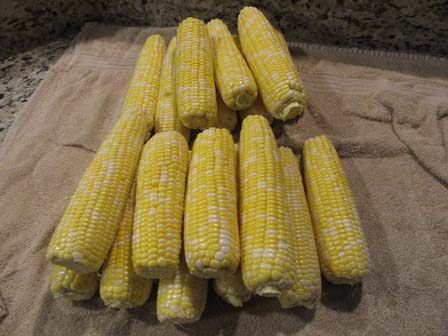
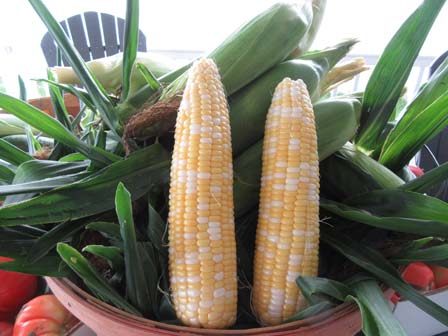
My wife was not as big of a fan of white corn, so I tried a variety called Ambrosia. It is a bi-color sweet corn that turned out to be amazing. I am still no corn expert, but I have had very good success every year. I attribute this to good soil. I still swear by my Rooster’s Organic chicken manure compost, along with Osmocote as a fertilizer, then mulched with Sweet Peat. I don’t know a lot about all of the varieties, but I think the requirements are probably about the same.
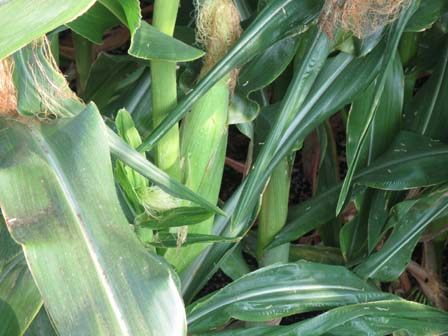
At least 3 rows are needed for pollination. I also learned that each silk strand is connected to a specific potential kernel. The silk catches the pollen from the male tassel, allowing fertilization of each kernel.
I also learned about smut (corn fungus) that can grow on the ears. Corn smut is a fungal disease caused by Ustilago maydis, which infects corn and forms large, swollen, grayish-black galls on kernels, stalks, or leaves, essentially turning parts of the plant into a mass of spores. While farmers often see it as a damaging blight, especially in sweet corn, in Mexico and other parts of Latin America these galls (known as huitlacoche) are a prized culinary delicacy, valued for their earthy, truffle-like flavor, and are used in dishes like quesadillas and soups. I have not eaten any (yet).
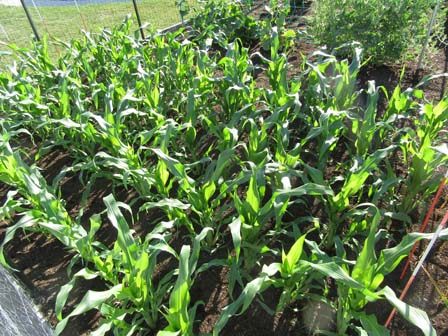
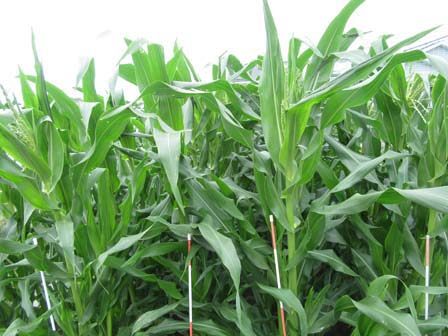
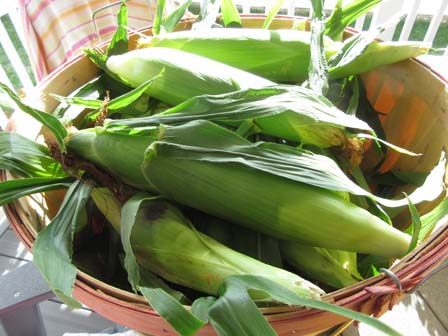
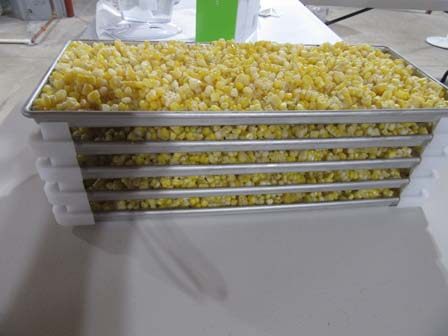
Below are some images of the different stages of development in my little garden in the village. Corn does take up a lot of real estate, so I have decided to buy it locally and freeze dry it (amazing!). We cut it off the cob and freeze dry it, as well as freeze about 100 ears each year.